ACL Reconstruction Surgery in Bristol

Sven Putnis offers expert ACL reconstruction surgery in Bristol. Discover advanced surgical techniques designed for a rapid return to sport and optimal knee stability.

Overview

The anterior cruciate ligament (ACL) is an important structure located in the centre of the knee joint. The primary function of the ACL is controlling rotational stability during pivoting, cutting, or sudden changes in direction. When the ACL is ruptured, the knee often feels unstable or gives way. Sven Putnis offers highly specialised ACL reconstruction surgery, utilising modern highly successful surgical techniques and evidence-based protocols to restore full knee stability and allow patients to confidently return to their pre-injury levels of activity and sport.
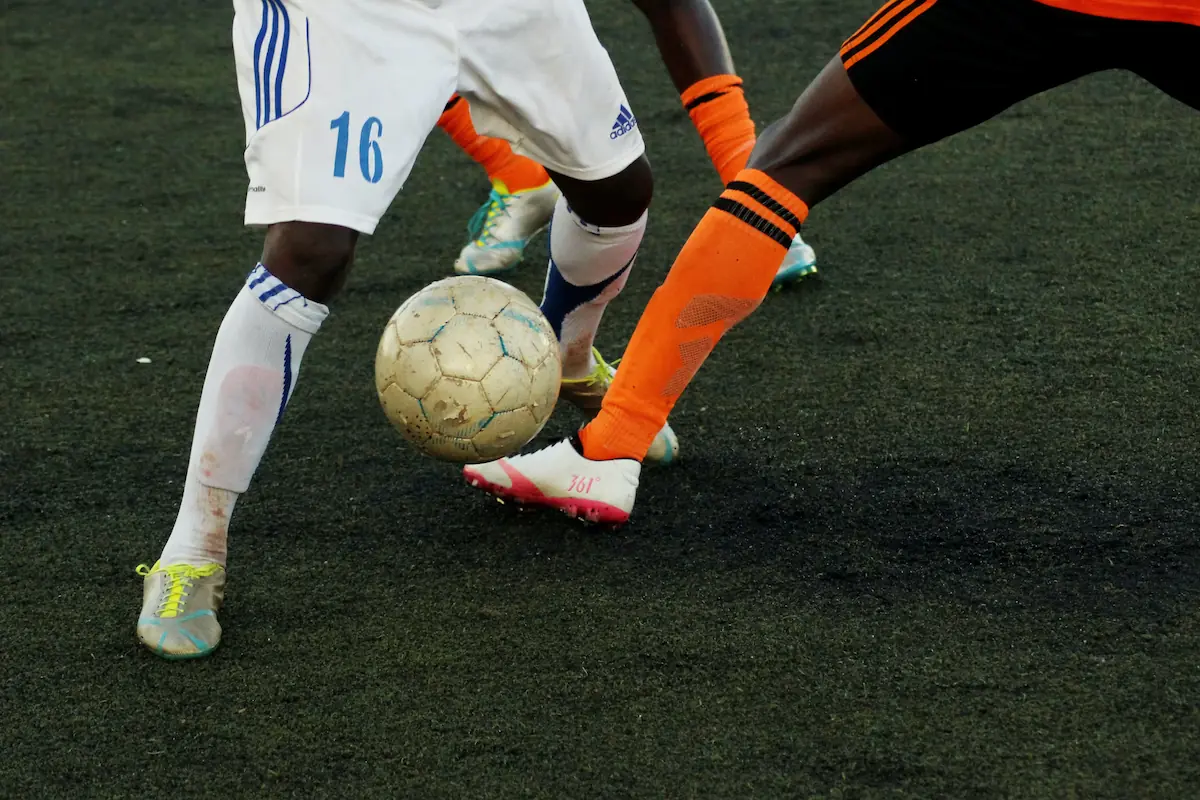
Acl Reconstruction

The Procedure

  • Initial consultation and comprehensive assessment
  • Pre-operative planning with MRI and clinical examination
  • Examination under anaesthetic to confirm diagnosis and grade level of instability
  • Graft harvesting (typically semi-tendinosus hamstring graft from the inner thigh)
  • Graft preparation (typically a short, stiff 4-strand graft with adjustable suspensory loops)
  • Initial arthroscopic surgery using minimally invasive keyhole techniques.
  • Additional meniscus or cartilage surgery as required
  • Precise bone socket creation
  • Dual suspensory graft fixation with cortical buttons ensures all 4 strands equally tensioned
  • Knee washout in all zones to prevent retained bone fragments and inflammation
  • Patient specific structured rehabilitation protocol

Benefits

  • Restores full knee mechanical stability and function
  • Facilitates a safe return to sports and an active lifestyle
  • Prevents secondary injuries to the meniscus and cartilage
  • Minimally invasive approach with smaller incisions
  • Advanced graft preparation and tensioning for optimal strength and full range of motion
  • Proactive management to minimise post-operative swelling

Who Is This For?

  • Active individuals with confirmed ACL tears
  • Athletes wanting to return to pivoting and contact sports
  • Patients experiencing ongoing knee instability or “giving way”
  • Individuals with combined ligament and meniscus injuries
  • Patients who have failed conservative (non-operative) treatment
  • Individuals requiring revision surgery for a previously failed ACL graft

Recovery Timeline

  • First 2 weeks

    The most important aspects of the initial recovery are controlling swelling in the knee, preventing muscle wasting, and working towards regaining full range of knee motion

    • Full weight bearing as tolerated with crutches
    • Knee elevation up to the level of the heart and full ankle movements to activate calf muscles
    • Cryotherapy such as ice and cold presses to reduce inflammation, pain and swelling
    • Bulky dressing can be reduced the next day, adhesive dressings are splashproof for careful washing/showering. Dressings can be touched and surrounding tissue massaged
    • Start to work towards regaining full range of movement
    • Active quads recruitment without resistance – push your knee down into the bed
    • Active hamstring recruitment without resistance
    • Multidirectional patella mobilisation
    • Proprioceptive and balance exercises
    • Core stability and gluteal hip exercises
    • Contralateral leg exercises – there is evidence that working on the non-operative leg improves both legs
  • Weeks 2-6
    • All dressings should have been removed by 2 weeks.
    • When all surgical incisions have healed, hydrotherapy can begin if required; it may be most useful if there is difficulty with the gradual return of full knee range of motion over the first 8 weeks.
    • Swelling is still common so continue elevation and cryotherapy
    • Once normal gait (walking without a limp) has been achieved walking aids can be stopped, ensure core strength and gluteal muscles are controlling pelvic tilt and stability
    • Continue to regain full range of movement especially once swelling has settled
    • Scar massage can help to prevent adherence
    • Multidirectional patella mobilisation
    • Start on an exercise bike – initially resistance free and gradually build from there
    • Closed chain quadriceps: double leg wall mini squats, sit to stand, single leg work, lunges (onto a step if PFJ pain problematic)
    • Once quad control is achieved, open chain quad exercises are permitted – proven to help prevent a delay in strengthening. Start without resistance. There is increasing evidence that a delay in open-chain exercises leads to longer term muscle weakness. I have confidence in my surgical reconstruction to allow this as soon as quads are back firing.
    • The twitch time for muscle group activation is important to start considering
    • Proprioceptive work should start early, allowing precise control of open-chain exercises
  • Weeks 6-12
    • Clinical review in Outpatient Clinic with Sven Putnis
    • Returning to full-time work with adaptations for manual jobs
    • Increased intensity with closed chain quads and gluts
    • Gradually introduce controlled resistance in open chain quad exercises
    • Resisted hamstrings from 8 weeks
    • Ensure maximum range of movement including symmetrical deep flexion and hyperextension has been achieved. Often deepest flexion is missed.
    • Start regular gym work (walking on a treadmill/rowing/spinning/step climber/leg press)
    • Swimming – freestyle and backstroke legs, breaststroke best avoided as can create a pivoting moment in the knee
    • Road cycling (adjust the seat height for comfort and remain seated, no peddle cleats)
    • Light jogging on the spot or on a trampette
  • Weeks 12-18
    • Continue fitness/ aerobic work
    • Continue proprioceptive control work
    • Commence a return jogging and running programme ensuring good eccentric quads control and ability to control repetitive single leg hops
    • Ensure limb symmetry as straight line jogging becomes easier and more natural
    • Gradual increase impact work
    • Unilateral on trampette, hops/lateral hops/ z hops/ landing/skipping
  • 4-6 months
    • If muscle strength and control is suitable, treadmill jogging can start and gradually build up in intensity
    • Floormat dynamic movements such as backwards walking and jogging, cone slalom and wide turns progressing to tighter turns
  • 6-9 months
    • Sports specific training can begin and will be determined by individual goals
    • Despite the knee feeling stable it is important not to start cutting or pivoting movements unless all other targets have been reached and safest to avoid until 9 months
    • Downhill jogging
    • Ball kicking
    • Non-contact training sessions
    • All swimming strokes with increasing distance and duration
  • 9 months +
    • Achieve 90% symmetry on strength and return to sport battery of tests if available
    • Assessment of hamstring/quadriceps ratio
    • Return to full competitive sport with a re-injury prevention warm-up programme

Frequently Asked Questions

Do I need a brace after ACL surgery?

With the surgical techniques utilised by Sven Putnis, a post-operative brace is rarely required for a standard ACL reconstruction. Braces are typically only necessary if the procedure also involves a complex meniscal repair, cartilage surgery, or the reconstruction of multiple ligaments simultaneously.

While some pain and discomfort are inevitable following major knee surgery, proactive pain management protocols are used to keep patients comfortable. The routine use of tranexamic acid (TXA) and meticulous joint washout techniques significantly reduce the swelling that often causes post-operative pain.

In most primary ACL reconstructions, Sven Putnis will harvest a graft from your own body (an autograft). The most common choice is a section of the hamstring tendon from the back of the knee, though a strip of the patella tendon may also be used depending on your specific anatomical and sporting needs. He will discuss these options with you.

A lateral tenodesis is an additional surgical procedure performed on the outside of the knee during an ACL reconstruction. It acts like a ‘seatbelt’ to provide extra rotational stability to the joint. It is frequently used in revision surgeries or for high-demand athletes who participate in pivoting sports.

Patients are encouraged to fully weight-bear as tolerated immediately after surgery. Crutches are provided for comfort and balance during the initial days, but the surgical technique allows for early mobilisation to prevent muscle wasting and encourage a rapid recovery.

Treatment Details

Recovery Time

9–12 months (for full return to competitive sport)

Success Rate

High (Dependent on rehabilitation adherence)

Ready to Get Started?

Book a consultation to discuss if this treatment is right for you.

  • 15+ years specialist experience
  • Uses a technique which has lowest rate of complications
  • Expertise in complex primary and revision ACL reconstructions
  • Advanced techniques including lateral tenodesis and slope-changing osteotomy
  • Comprehensive, accelerated rehabilitation support

Ready to Take the Next Step?

Book your consultation today and begin your journey to recovery with expert knee care in Bristol.