Sven Putnis offers advanced total knee replacement surgery in Bristol. Discover individualised, precision-planned joint replacement for severe osteoarthritis.
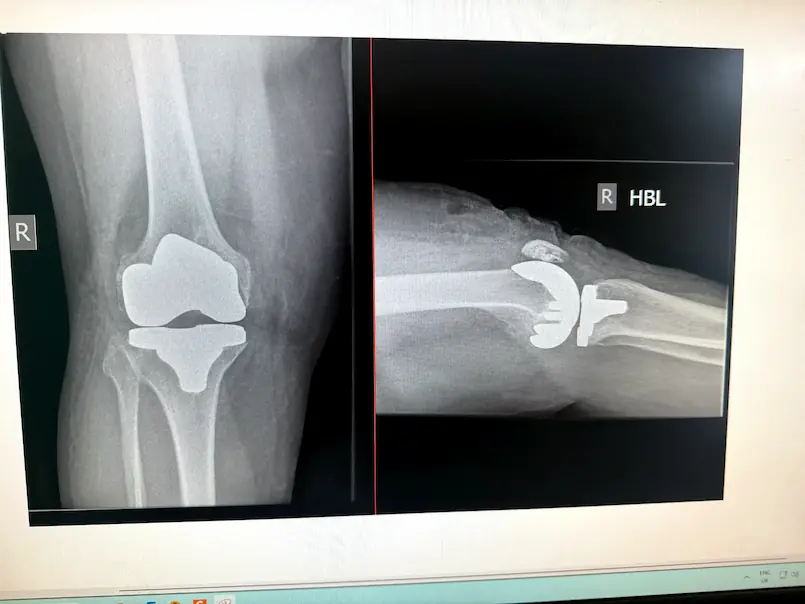
A total knee replacement is a highly successful, life-changing procedure recommended when the knee joint has sustained global, widespread damage. This is most commonly caused by the progressive wear and cartilage destruction of end-stage osteoarthritis. Other conditions such as following trauma, or inflammation conditions like rheumatoid arthritis can also be the cause of progressive cartilage damage. Sven Putnis specialises in advanced total knee replacement surgery in Bristol. Before considering surgery, it is essential to ensure that non-operative measures—such as physiotherapy, weight management, and targeted joint injections—have been thoroughly explored. When conservative treatments are no longer effective, replacing the entire joint can significantly reduce pain and restore mobility.
Who Is This For?
First 2 weeks
The most important aspects of the initial recovery are controlling swelling in the knee, preventing muscle wasting, and working towards regaining full range of knee motion
Modern knee replacements are incredibly durable. Large-scale clinical registries and studies indicate that more than 90% of total knee replacements are still functioning well after 15 years, and approximately 82% continue to function well after 25 years 2.
Pain management is a critical part of the recovery process. You will experience post-operative pain, but this is carefully managed with a combination of medications. The immediate joint pain caused by arthritis is usually relieved very quickly, while the surgical pain gradually subsides over the first few weeks as the tissues heal.
Most patients can return to driving between 4 and 6 weeks post-surgery, provided they are no longer taking strong painkillers and can comfortably perform an emergency stop. Returning to work depends heavily on your occupation; desk-based roles may be possible after 4 to 6 weeks, while physically demanding jobs will require significantly longer.
Following a successful recovery, patients are encouraged to return to low-impact sports such as swimming, cycling, golf, and brisk walking. High-impact sports involving heavy running or jumping are generally discouraged, as they can accelerate the wear of the plastic bearing surface.
Physiotherapy is absolutely essential for a successful outcome. The surgery provides the new joint, but it is the dedicated rehabilitation that restores strength, flexibility, and a normal walking pattern. A structured physiotherapy programme must be followed diligently in the months following surgery.
Recovery Time
6–12 weeks (for normal daily activities)
Success Rate
Very high (>80% implant survivorship at 25 years)
Book a consultation to discuss if this treatment is right for you.
Book your consultation today and begin your journey to recovery with expert knee care in Bristol.