
I am frequently asked in clinic the difference between these two conditions as they sound very similar. ‘Osteo’ means ‘bone’ and ‘arthritis’ means ‘joint inflammation’, whilst ‘porosis’ means porous with the formation of channels, holes or ‘pores’ within the bone itself.
Both conditions affect different aspects of bone and joint health, with varying impacts on daily life and long-term wellbeing. Both conditions can significantly affect quality of life, but they present distinct challenges and treatment approaches.
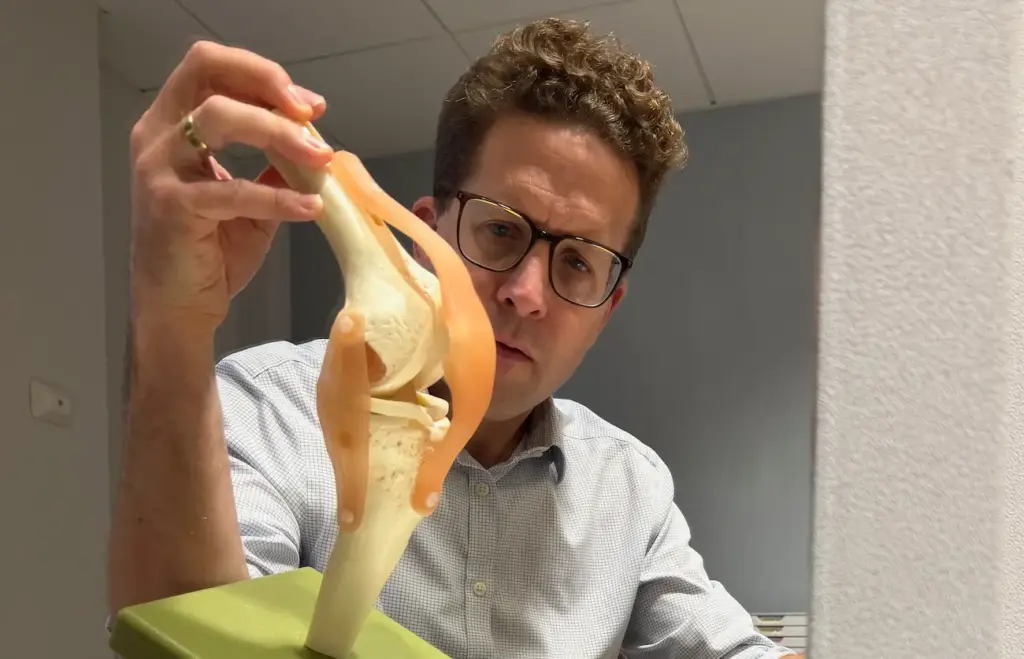
As an experienced orthopaedic specialist practising in Bristol, I regularly treats patients with both knee osteoarthritis and osteoporotic fragility fractures. With my expertise in bone and joint conditions, I can help you understand the differences between these conditions and develop appropriate treatment strategies tailored to your individual needs.
What Are the Key Differences Between Osteoarthritis and Osteoporosis?
Understanding the fundamental differences between these conditions is essential when comparing their severity and impact. Osteoarthritis primarily affects the cartilage within joints, causing pain, stiffness, and reduced mobility. Osteoporosis, conversely, affects bone density throughout the skeleton, making bones fragile and prone to fractures.
Osteoarthritis develops when the protective cartilage that cushions joints gradually wears away. This process typically occurs over many years and most commonly affects weight-bearing joints such as the knees, hips, and spine. The condition causes joint pain, swelling, and reduced range of motion, which can significantly impact daily activities.
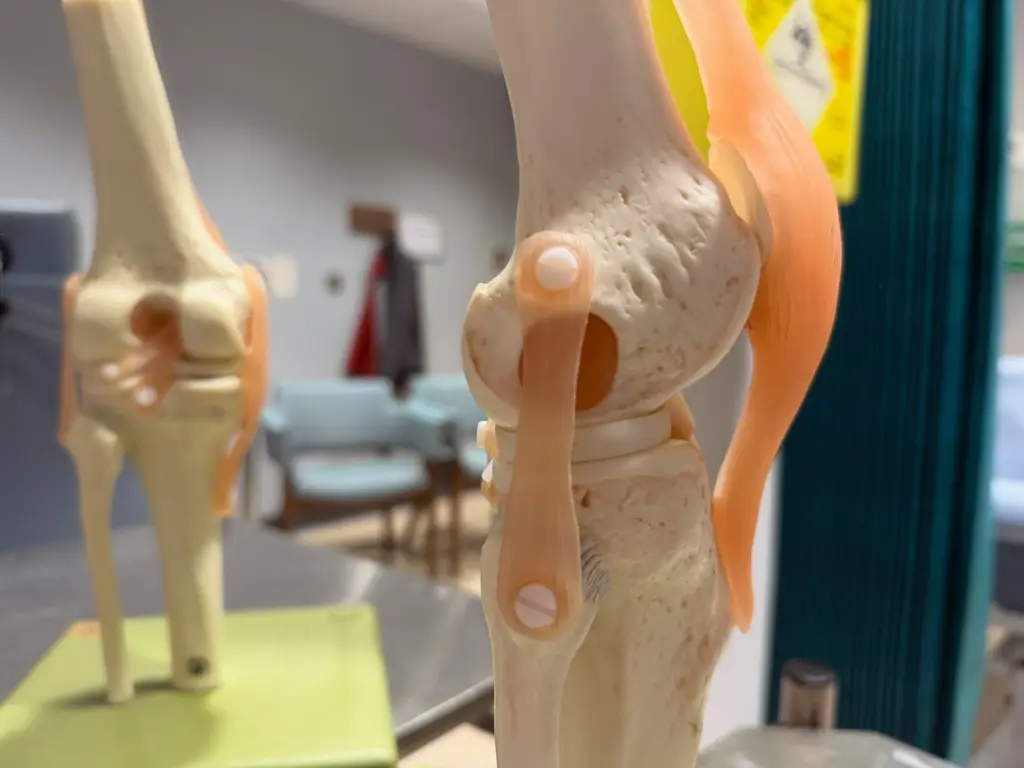
In knee osteoarthritis the causes are often multi-factorial and influenced by previous knee injuries and the alignment and position of your knee joint, your age and body weight. There is also a significant genetic component estimated to be up to 40%.
Osteoporosis occurs when bones lose density and become porous, resembling a honeycomb structure under microscopic examination. This condition often develops silently without obvious symptoms until a fracture occurs. The spine, hips, and wrists are particularly vulnerable to osteoporotic fractures.
Which Condition Causes More Immediate Pain and Disability?
When evaluating osteoarthritis or osteoporosis in terms of immediate symptoms, osteoarthritis typically causes more day-to-day discomfort and functional limitation. Patients with osteoarthritis often experience:
Persistent joint pain that worsens with activity
Start-up stiffness and pain
Reduced range of motion in affected joints
Difficulty performing routine tasks such as climbing stairs
Sleep disruption due to joint pain
Osteoporosis, however, may remain completely asymptomatic until a fracture occurs. Many patients are unaware they have the condition until they experience a broken bone from a minor fall or even routine activities. When fractures do occur, they can cause severe acute pain and significant disability.
Impact on Daily Activities
Osteoarthritis tends to create ongoing challenges with mobility and daily tasks. Simple activities like walking, climbing stairs, or gripping objects may become increasingly difficult as the condition progresses. The pain and stiffness associated with osteoarthritis can affect work performance, recreational activities, and overall independence.
Sudden vs Gradual Onset
The progression patterns of these conditions differ significantly. Osteoarthritis symptoms typically develop gradually over months or years, allowing patients time to adapt their activities and seek treatment. Osteoporotic fractures, however, can occur suddenly and without warning, potentially causing immediate severe disability.
What Are the Long-Term Health Consequences?
Assessing which is worse osteoarthritis or osteoporosis requires consideration of long-term health implications. Both conditions can lead to serious complications if left untreated, but they affect different aspects of health and wellbeing.
Osteoarthritis progression can lead to severe joint damage requiring surgical intervention such as joint replacement. Advanced osteoarthritis may cause significant disability, affecting mobility and independence. However, osteoarthritis rarely poses life-threatening complications.
Osteoporosis carries more serious long-term risks, particularly regarding fractures. Hip fractures, which are common in osteoporosis patients, can be life-threatening. According to the NHS, approximately 20% of people who suffer a hip fracture die within one year due to complications.
Mortality Risk Comparison
While osteoarthritis can significantly impact quality of life, it doesn’t typically increase mortality risk in the same sudden way that an osteoporotic fracture can. Osteoporosis, particularly when it leads to hip fractures, carries substantial mortality and morbidity risks. Spinal fractures can also cause chronic pain, height loss, and respiratory complications.
Progressive Nature
Both conditions tend to worsen over time without appropriate treatment. Osteoarthritis progression varies considerably between individuals, with some experiencing rapid deterioration while others maintain stable symptoms for years. Osteoporosis progression can be slowed or even reversed with appropriate treatment, but untreated osteoporosis continues to weaken bones progressively.
How Do Treatment Options Compare?
Treatment availability and effectiveness differ significantly between these conditions, which influences the overall impact on patients’ lives. Understanding treatment options helps determine which is worse osteoarthritis or osteoporosis for individual patients.
Osteoarthritis treatment focuses on pain management, maintaining joint function, and slowing disease progression. Osteoarthritis can affect and joint in the body but I focus on its effect on the knee. Treatment options for knee osteoarthritis include:
Physiotherapy to maintain joint mobility and strengthen supporting muscles
Weight management to reduce joint stress
Steroid, Hyaluronic Acid or Hydrogel injections
Targeted arthroscopic surgery for eg. loose bone fragments or significant displaced meniscal tears in earlier stages of osteoarthritis
Joint preservation surgery with realignment using peri-articular osteotomy. Changing the overall alignment or tracking of your knee can relive different parts of the knee joint under pressure
Joint replacement surgery for advanced cases
Osteoporosis treatment aims to strengthen bones and prevent fractures. Available treatments include:
Calcium and vitamin D supplementation
Bisphosphonate medications to slow bone loss
Weight-bearing exercise programmes
Fall prevention strategies
Hormone replacement therapy in specific much rarer cases
Treatment Success Rates
Osteoporosis treatments can be highly effective at reducing fracture risk when started early. Medications can significantly slow bone loss and even increase bone density in many patients. Osteoarthritis treatments focus more on symptom management and functional improvement rather than reversing the underlying condition.
Which Condition Has Better Prevention Strategies?
Prevention strategies differ between osteoarthritis and osteoporosis, but there is overlap. All of these recommended measures should be taken on for both conditions:
Osteoarthritis prevention focuses on maintaining joint health through:
Regular low-impact exercise to strengthen supporting muscles
Maintaining healthy body weight to reduce joint stress
Avoiding repetitive joint stress and injury
Using the correct body mechanics during daily activities
Osteoporosis prevention strategies are often more effective and include:
Adequate calcium intake throughout life
Sufficient vitamin D levels
Regular weight-bearing and resistance exercises
Avoiding smoking and excessive alcohol consumption
Fall prevention measures in older adults
Age-Related Considerations
Both conditions become more common with advancing age, but their prevention and management strategies differ. Osteoporosis prevention can begin early in life through proper nutrition and exercise, potentially preventing the condition entirely. Osteoarthritis prevention is more challenging as it often results from normal wear and tear over time.
What Factors Determine Individual Impact?
Age, overall health, activity level, and personal circumstances all play crucial roles in determining the relative impact of each condition.
Younger patients with osteoarthritis may find the condition more immediately disabling due to its impact on work and recreational activities. The chronic pain and functional limitations can significantly affect career prospects and lifestyle choices.
Older patients with osteoporosis may face more serious consequences due to increased fracture risk and potential complications. The fear of falling and breaking bones can lead to reduced activity levels, social isolation, and decreased quality of life.
Gender Considerations
Women face higher risks for both conditions but for different reasons. Osteoporosis risk increases dramatically after menopause due to declining oestrogen levels. Osteoarthritis affects both genders but may present differently, with women more likely to develop hand and knee osteoarthritis.
Lifestyle Impact Assessment
The relative severity of each condition depends heavily on individual lifestyle factors. Active individuals may find osteoarthritis more limiting initially, while those with sedentary lifestyles might not notice osteoporosis until a fracture occurs. Personal risk tolerance and adaptation strategies also influence perceived severity.
How Can Patients Make Informed Decisions About Treatment?
I always emphasise the importance of a comprehensive evaluation considering your unique circumstances, medical history, and treatment goals.
Patients should discuss their concerns openly, including how symptoms affect daily life, work performance, and personal relationships. This information helps develop appropriate treatment strategies tailored to individual needs and priorities.
Regular monitoring and follow-up care are essential for both conditions. Knee osteoarthritis benefits from ongoing assessment of joint function and pain levels, while osteoporosis patients require periodic bone density testing and fracture risk evaluation.
Both osteoarthritis and osteoporosis present significant health challenges, but with proper medical care and appropriate treatment strategies, patients can maintain good quality of life and reduce the risk of serious complications. The key lies in early detection, appropriate treatment, and ongoing management tailored to individual needs.
To determine which condition may be affecting you and discuss appropriate treatment options, book a consultation. My expertise in orthopaedic conditions can help you understand your specific situation and develop an effective management plan tailored to your needs.
