Sven Putnis collaborates with specialist physiotherapists in Bristol to provide expert non-operative management for acute knee injuries and ongoing knee pain.
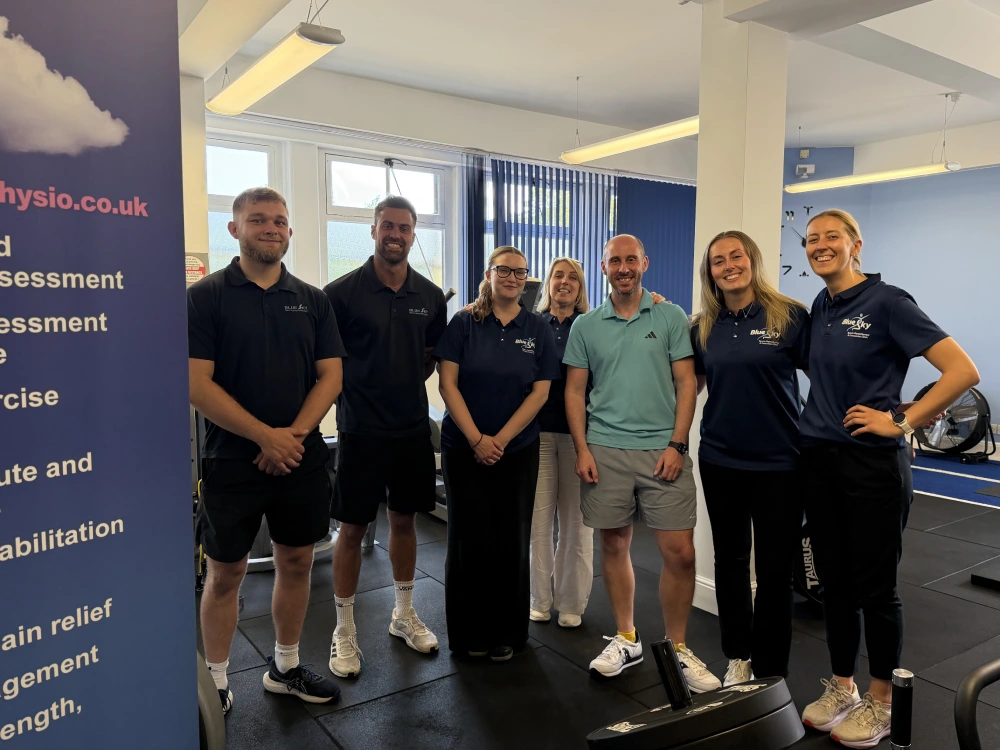
Surgery is not always the first or best option for knee problems. Sven Putnis strongly advocates for a conservative, non-operative approach to knee management whenever clinically appropriate. By collaborating closely with a network of specialist physiotherapists across the region, Sven Putnis ensures patients receive comprehensive, evidence-based rehabilitation tailored to their specific injury or condition. A multimodal approach—combining specialist physiotherapy, targeted bracing, and precise injection therapy—can often provide significant symptom relief, restore joint function, and delay or eliminate the need for surgical intervention. All surgical procedures benefit from pre-operative and post-operative physiotherapy.
Who Is This For?
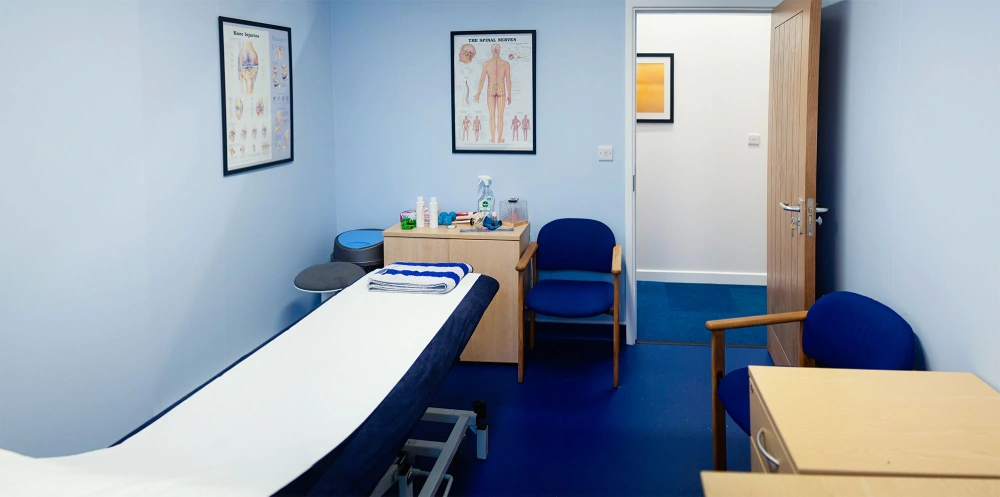
Physiotherapy is often the most effective first-line treatment for knee pain. Strengthening the muscles around the knee provides better support for the joint, which can significantly reduce pain and improve function. Even if surgery is eventually required, “pre-habilitation” (physiotherapy before surgery) leads to much better post-operative outcomes and a faster recovery.
The timeframe varies depending on the severity of the condition and patient compliance with the exercise programme. However, most patients begin to notice improvements in pain and mobility within 4 to 6 weeks of starting a dedicated, active physiotherapy regimen.
Not all knee conditions require a brace. A brace is typically recommended if there is structural instability (such as after a ligament injury) or if the joint needs to be offloaded (such as in isolated osteoarthritis). Often it is used until a definitive diagnosis is made, usually with an MRI scan. Your consultant will advise if a brace is clinically appropriate for your specific diagnosis.
No injection can cure or reverse osteoarthritis, as the cartilage damage is permanent. However, injections like hyaluronic acid or Arthrosamid can significantly reduce inflammation, improve joint lubrication, and provide substantial pain relief, allowing you to stay active and delay the need for joint replacement surgery.
If you have diligently followed a specialist physiotherapy programme, utilized appropriate bracing, and explored injection therapies without achieving satisfactory pain relief, it may be time to consider surgical options. Sven Putnis will discuss all the options that are available to you in a clear and precise way so that you can understand and make a shared decision.
Recovery Time
Varies widely depending on the condition (weeks to months)
Success Rate
High for appropriate indications (often eliminates need for surgery)
Book a consultation to discuss if this treatment is right for you.
Book your consultation today and begin your journey to recovery with expert knee care in Bristol.